"D&D dice rolls shine, the political lectures wear thin"
About
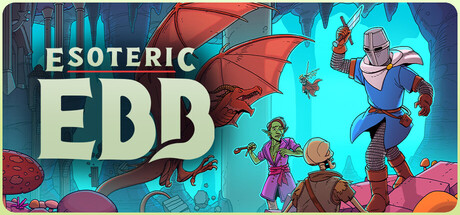
Esoteric Ebb is a single-player CRPG built on Dungeons & Dragons 5th Edition rules, where you play a cleric investigating an explosion at a tea shop in the city of Norvik. The investigation widens into a political conspiracy tied to a looming democratic election, with rival factions and ideologies pulling at you. Moment to moment you talk, explore an isometric town, and resolve tense encounters with dice rolls against attributes like Intelligence, Wisdom, and Charisma. A goblin sidekick travels with you, and an inner-dialogue system lets your own mind argue back. Spells, feats, and an alignment system shape how each conversation can go, and you can play the legendary cleric or wreck the campaign entirely.
Verdict
When the dice hit the table, Esoteric Ebb is exactly the solo tabletop session it promises: silly choices, real consequences, mechanics lifted straight from the 5e books and made to sing without the chore of combat and party logistics. The writing carries it, sharp and warm by turns, with character work that earns its twists. The trouble is the politics, where almost every poor choice arrives with a built-in scolding, and the worldbuilding doesn't reach the depth its Disco Elysium lineage implies. Branching looks wide but funnels you toward a fixed ending under threat of a game-over screen. A confident, well-made debut that bites off slightly more theme than it can chew.
You'll like it if …
- +you want the dice-rolling heart of a D&D campaign without managing a party or grinding combat
- +you read every line of optional dialogue and enjoy an inner monologue that talks back
- +you replay CRPGs to test different builds and skill-check approaches
You'll dislike it if …
- −you bristle when a game flags your 'bad' choices and explains why they're wrong
- −you want branching that genuinely locks you out of large chunks of content
- −unvoiced walls of text drain your patience
Breakdown
- +Dice rolls and choice-driven encounters land like a live session with a good DM
- +Cutting combat and party management keeps the focus on talking and rolling
- +Skill checks pull cleanly from D&D 5e attributes and feel authentic to the tabletop
- −WASD movement and click targeting are finicky, and the inventory is clunky
- −Dialogue padding drags in stretches where nothing is at stake
- +Multiple builds and dialogue paths invite repeat playthroughs
- +Item and equipment choices let you prop up a single attribute to clear a specific check
- −Most runs reach roughly the same content regardless of decisions
- −The ending forces certain choices to avoid a game-over screen, narrowing real branching
- −Political themes stay surface-level rather than reward investigation
- +Witty, charming writing with characters that stick and plot turns that surprise
- +The inner-dialogue system gives your cleric a genuine internal argument
- −Bad choices come paired with a lecture on why they're bad
- −Humour lands unevenly and the worldbuilding falls short of its influences
- +Hand-drawn art direction and music hold together as a coherent, charming whole
- −No voice acting, which leaves long unvoiced text feeling unfinished against the polished visuals
- −Some find the NPC portrait work flat
- +Near bug-free for most players, with clear UI and a smooth onboarding
- −The journal only logs successful rolls instead of tracking useful quest information
- −Occasional dialogue flag bugs surface
score