"Spy-thriller intrigue worth the dice, let down by broken lines"
About
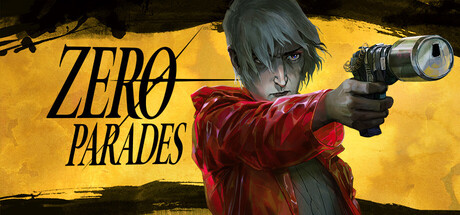
ZERO PARADES is an isometric espionage RPG from ZA/UM, the studio behind Disco Elysium. You play a gifted, damaged operant sent on one last assignment: reassemble a scattered spy network and pick apart a web of lies set in a 1990s-flavoured world of its own. The minute-to-minute is dialogue and investigation, resolved through dice rolls against your skills, with branching choices that ripple into other quests. New systems steer the flow: an exertion mechanic and fatigue, anxiety and delirium meters that track your operant's fraying state, plus 'Dramatic Encounter' sequences that stage tense set pieces around your stats. A thought-cabinet-style system lets you internalise ideas over time.
Verdict
ZERO PARADES is the rare follow-up that plays better than the classic it grew out of, with Dramatic Encounters and the exertion system giving skill checks a pulse. The spy network and its intrigue carry real atmosphere, and the art holds up scene for scene. What it can't quite manage is the emotional reckoning that made Disco Elysium hit so hard, so the back half thins out into intrigue for its own sake. Worse, the craft betrays it: scrambled voice lines, a missing journal, and softlocks that can cost you the ending. Recommended, but go in expecting a strong game still wearing a rushed coat of paint.
You'll like it if …
- +you want espionage intrigue and choices with consequences more than philosophical rumination
- +you enjoy stat-driven set pieces where your mental state shapes how a scene plays out
- +you'll replay an RPG to see how different routes reshape later quests
You'll dislike it if …
- −you came for Disco Elysium's existential weight and won't accept a lighter substitute
- −broken voice lines and a missing journal pull you out of a dialogue-heavy game
- −save corruption near the finish line is a dealbreaker
Breakdown
- +The Dramatic Encounter sequences wring real tension out of stat checks rather than just rolling dice in a vacuum
- +Exertion and the fatigue/anxiety/delirium meters tie your operant's mental state directly into how scenes resolve
- +Several reviewers who know Disco Elysium well rate this the better game to actually play, crediting the reworked dice rolls and dynamic action
- −The plot railroads hard for long stretches, then hands you agency mainly at moments engineered toward a bad outcome
- −Alternative approaches you invest in often aren't honoured: the game funnels you back to its intended route
- −Stat-padding can substitute for genuine choice
- +Branching paths carry real consequences, with decisions in one quest surfacing in surprising places elsewhere
- +Multiple playthroughs uncover content and let you tackle objectives in different ways
- −Mechanical density doesn't always translate into thematic weight: some quests feel disconnected or hollow
- −Where Disco Elysium handed you ideas to chew over, this leaves little for you to work out yourself
- +The spy-thriller framing and worldbuilding are original and hold their atmosphere
- +Character writing lands emotionally, with moments that genuinely move
- +Players who wanted intrigue and consequence over philosophy get exactly that
- −Many readers find it hollow next to Disco Elysium's reckoning with failure and self-forgiveness, those themes here feel grafted on
- −By the ending some were clicking through dialogue they'd stopped caring about
- +Art direction is striking and widely called as beautiful as its predecessor
- +The spread of accents across the cast gives the world texture
- −Voice acting is a mess: missing lines, spoken dialogue that doesn't match the text on screen
- −Audio quality lurches between takes, and the same character sometimes speaks in a different actor's voice mid-conversation
- −The narrator's delivery falls short of Disco Elysium's
- +Load times and general stability are an improvement over Disco Elysium
- +Quieter than the bugs, but the underlying systems run as designed when they aren't broken
- −Game-breaking bugs include a softlock that corrupted a save right before the ending and blocked completion
- −Quest and journal tracking misfire, and achievement tracking is unreliable
- −No journal to revisit past conversations, sparse quest explanations, no in-game reference for who's who
score