"Larian's combat sandbox where every fight has a backdoor"
About
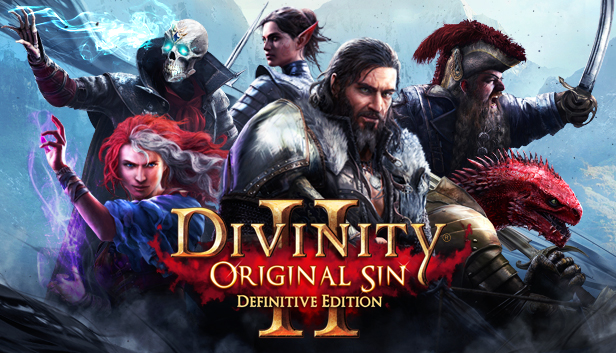
Divinity: Original Sin 2 places you as one of four custom characters imprisoned on a prison island, each with their own origin story and potential claim to godhood. You explore the island and surrounding fantasy world in real-time, engaging in turn-based tactical combat where terrain, elemental interactions, and character positioning directly influence outcomes. Between battles you manage inventory, develop relationships with your party members (who may betray or support you), and pursue branching quests that can be solved multiple ways depending on your skills and choices.
Verdict
The combat here is a physics-and-elements playground that rewards lateral thinking over raw stats, and the freedom to barricade a demon lord in his own house or teleport an enemy off a cliff is where the game sings. Act 1 is a wall and the difficulty spikes lurch unpredictably, but once you internalise the armour-and-AP rhythm you stop reloading and start scheming. The ending arrives rushed and the multiplayer is a buggy mess, yet this remains one of the most generous tactical RPGs ever built.
You'll like it if …
- +you experiment with terrain and elements instead of memorising optimal rotations
- +you sink hundred-hour runs into one RPG and come back for origin replays
- +you treat each fight as a puzzle to scheme through
You'll dislike it if …
- −you want a smooth, even difficulty curve from the start
- −you play tactical RPGs mainly in co-op
- −you prefer dialogue choices that visibly reroute the story over flavour variation
Breakdown
- +Combat rewards creative environmental tactics over rote optimisation
- +Terrain, elemental interactions, and positioning directly influence fight outcomes
- +The dual-armour system and AP economy turn fights into puzzles where lateral thinking trumps raw stats
- −Difficulty spikes between and within acts lurch unpredictably, with some fights demanding metaknowledge
- −Act 1 is a wall that gates progress until you internalise the armour-and-AP rhythm
- +Almost every quest has multiple genuine solutions, not just dialogue flavours
- +Origin characters and build freedom make second and third runs feel distinct
- +Hundred-hour first runs are normal and many players log several hundred hours, giving exceptional depth-to-cost ratio
- −A completionist playthrough running past 100 hours makes the commitment to a second real
- +Sharp, characterful dialogue carries the cast and makes branching quest choices feel consequential
- +A world that rewards curiosity through environmental storytelling and hidden content
- −The ending arrives rushed and doesn't pay off its setup
- −Act 3 turns contrived, and long-time fans still rate the first game's narrative higher
- +Voice acting earns near-universal praise and carries the cast
- +Landscapes and art direction hold up visibly and rarely break immersion
- −The score is judged a step down from the original game's memorable work
- +Singleplayer experience is largely stable
- −Multiplayer plagued by sync errors, disconnects, and crashes
- −Co-op experience is a buggy mess that undermines the game's otherwise generous design
score