High Steam approval on a small review count is the signature of a game that won its players but never found a crowd — the kind that only pays off for the few who find it at all.
Games that earn overwhelming approval from their tiny audiences tend to share a specific shape: they nail one thing so completely that it sustains the entire experience, then stop before that thing wears thin. Pronoun Palace locks its puzzle logic tight, StarVaders and Shogun Showdown both compress larger genres into something you can hold in your head, and Cobalt Core's one-axis combat system generates more tactical depth than it seems to promise. These are games that knew what they were and stopped there — which is exactly why so few people ever find them.
-
 1
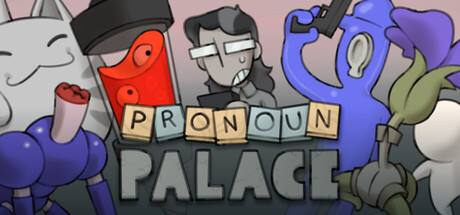
1 Pronoun Palace
85 Atlas score99.5% Steam approval756 Steam reviewsCombat resolves by spelling valid words on a tile board, so vocabulary under pressure decides fights instead of dice rolls, a control most roguelikes hand over to RNG. The trade-off is a small enemy roster that makes twenty euros a recurring complaint, the kind of caveat that thins a crowd while the players who stay forgive it for the hand-built encounters and insider trans satire. That its depth comes from design rather than volume is exactly why it tops a list about the few who find it.
-
 2
2 StarVaders
85 Atlas score98.3% Steam approval2,145 Steam reviewsThe Chrono Token rewind turns each turn into a puzzle you solve rather than gamble through, and twelve pilot-mech combinations play distinctly enough to chase absurd combos across runs. What kept it from a crowd is right there in the verdict: atmosphere stays functional while the systems do all the work, so it rewards the players who came for mastery and few others. At rank 2, the design depth justifies the placement that thin charm alone would have sunk.
-
 3
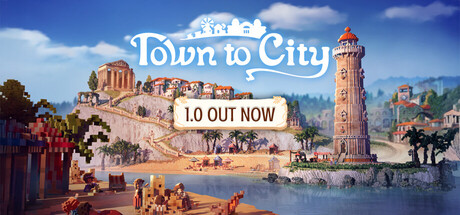
3 Town to City
73 Atlas score97.8% Steam approval3,787 Steam reviewsGridless placement and freeform rooftop decoration turn an ordinary street into something you'd want to frame, and no fail states let players build past 100 hours across hand-made maps — the kind of quiet appeal that wins over the few who try it. What keeps it from a crowd is the engine: cities past 400 residents drop frames, freeze the UI, and corrupt saves near four figures, clipping the one thing it most wants you to do. That narrowness, plus a loop that repeats rather than escalates, holds it just under Shogun Showdown.
-
 4
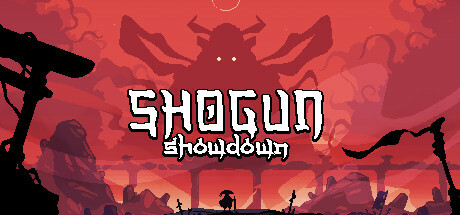
4 Shogun Showdown
85 Atlas score97.1% Steam approval3,398 Steam reviewsA single lane of tiles becomes a positional puzzle where you swap places to trick enemies into killing each other, and the action queue keeps that planning under pressure. Players who find it log 50, 70, 100 hours and call €7.49 underpriced, the exact undervalued payoff this list exists to surface. It edges ahead of the games below it because the low floor and three-turn-ahead ceiling reward the few who commit, even as content thins after the hardest clear.
-
 5
5 Cobalt Core
82 Atlas score96.6% Steam approval3,329 Steam reviewsCollapses the battlefield to a single horizontal line, so dodging a missile by shuffling one tile becomes a real decision rather than an abstraction, and three-character crews spike when their cards start talking to each other. The players it won read it fully and replayed for the banter, but standard difficulty barely resists and the enemy and event pool repeats fast, which is exactly why it stayed a find for the few rather than a crowd-pleaser. That ceiling, hit earlier than the genre's tougher entries, keeps it below Shogun Showdown.
-
 6
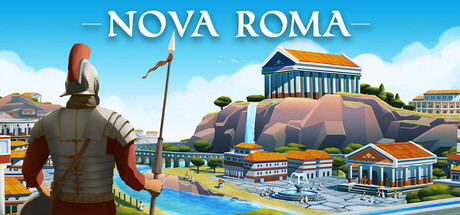
6 Nova Roma
74 Atlas score95.6% Steam approval1,241 Steam reviewsAqueduct routing across uneven terrain turns building placement into a real spatial puzzle, and the players who stay describe laying out towns for 200-plus hours on that pleasure alone. That niche is narrow by design: the tech tree empties in about three hours and fervor decays into waiting on timers, so this rewards only those who build for the building's sake. It edges below Cobalt Core because its long game runs dry where the systems should carry it.
-
 7
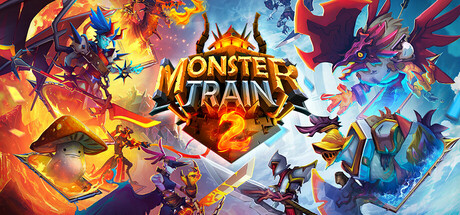
7 Monster Train 2
89 Atlas score95.5% Steam approval4,874 Steam reviewsCombining any two of ten dual-champion clans produces a genuinely different run almost every time, and the pre-battle positioning and equipment layer reward the players who keep digging. Incant-heavy waves narrow some clans to a single answer and late bosses hard-check your whole deck, which is the kind of friction that thins the crowd while keeping the few who stay. It ranks this high because the combinatorial depth pays off run after run, not in a single playthrough.
-
 8
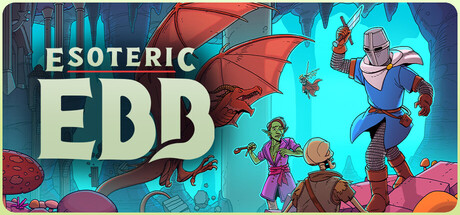
8 Esoteric Ebb
82 Atlas score95.5% Steam approval5,580 Steam reviewsStrips D&D 5e down to its dice and conversation, cutting combat and party logistics so every encounter resolves on an attribute roll against a witty inner monologue that argues back. That niche appeal is the catch: branching that looks wide funnels everyone to the same ending under a game-over threat, and the political writing scolds your bad choices rather than rewarding investigation, narrowing the crowd to players who came for the rolls alone. It sits below Monster Train 2's broader pull but earns its place as a confident debut that won its small readership without reaching past it.
-
 9
9 Heat Signature
86 Atlas score94.8% Steam approval6,146 Steam reviewsHands you a clutch of gadgets and a ship full of guards, then lets the time-pause planning turn near-certain death into improvised escapes. The reward is the system, not a told story, and the early punishment frustrates before it clicks, which is exactly the filter that keeps the crowd out and pays off the few who push past it. That gate ranks it below the more readily welcoming Cosmoteer.
-
 10
10 Cosmoteer: Starship Architect & Commander
83 Atlas score94.6% Steam approval7,467 Steam reviewsPower lines, crew corridors and thruster placement all carry tactical weight, and the combat rewards studying an enemy design to build the counter rather than stacking guns. That depth runs to hundreds of hours for the few who treat building as the main event, but a career mode with nothing to influence and fleet AI that ignores attack orders explain why the crowd never followed. Like Heat Signature below it, the rewards are sized for players who commit, not for a passing audience.
-
 11
11 Voidling Bound
76 Atlas score94.3% Steam approval1,400 Steam reviewsPulling a voidling apart and rebuilding it through evolutions, mutations, and splices is tinkering that pays off run after run, with 16 to 17 final stages per creature rewarding dozens of hours of off-meta experimenting. The players who stuck with it forgive the three recycled mission types and the fast-spent campaign because the build-crafting delivers more than the genre bothers with, which is exactly the trade that wins a small crowd rather than a broad one. It sits above Cosmoteer here because that depth holds across longer stretches than the endgame loop deserves.
-
 12
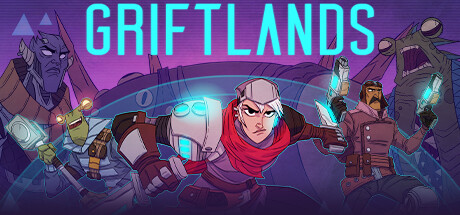
12 Griftlands
79 Atlas score93.5% Steam approval5,230 Steam reviewsIt runs two separate card games, one for talking and one for fighting, inside a world that remembers whether you spared or robbed each NPC. The cards stay underpowered next to genre leaders, and the first few runs grind before the good unlocks arrive, so it rewards the players who push past the slow open rather than the crowd that bounces off it. That patience tax is exactly why it sits here, won by the few who stayed.
-
 13
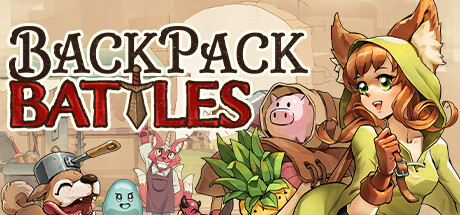
13 Backpack Battles
81 Atlas score92.7% Steam approval5,426 Steam reviewsSpatial inventory arrangement, the chore most games let you skip, becomes the entire decision space here, with every slot carrying weight and simple rules spiraling into deep item synergies. The fifteen-euro price with no monetization and async matches you can finish in two minutes or abandon for a week is the kind of low-pressure depth that rewards the players who stumble onto it. It sits below Griftlands because RNG funnels runs off starting items and a sweaty ranked ladder sours the loop for anyone chasing fair competition.
-
 14
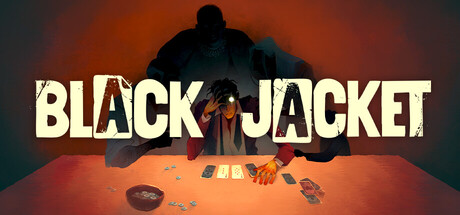
14 Black Jacket
80 Atlas score92.2% Steam approval460 Steam reviewsCounting toward 21 while sabotaging the dealer's draw is the rare reinvention that turns a table game into a tactical puzzle, and the fully voiced bosses build an addiction-and-redemption story that few card games attempt. The players who stuck past the thin opening decks and the random card-swap that reads as a coin flip are exactly the small crowd that rewards it. It edges above Tabletop Tavern because the hook reshapes how you think, not just what's on the table.
-
 15
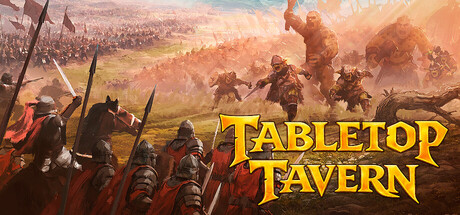
15 Tabletop Tavern
78 Atlas score91.9% Steam approval936 Steam reviewsA solo developer's graft of Total War battles onto Slay the Spire run structure delivers more fights per hour than either source, the kind of niche fusion that pulls in the few who try it and never scales further. The seams show fast: the AI fixates on one unit and won't adapt, troops lack shieldwalls or charges, and the content empties out around thirty hours. That earned-but-narrow goodwill, shipped complete at twenty euros with no early-access excuses, is exactly the mid-list profile this thesis predicts.
-
 16
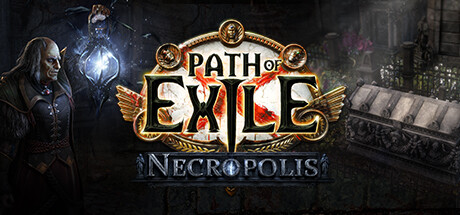
16 Path of Exile
88 Atlas score91.7% Steam approval542 Steam reviewsThe campaign delivers some of the best ARPG combat going, then the endgame throws you off a cliff and assumes you've watched the YouTube videos and installed third-party tools to decode the seed numbers. It wins the obsessives who dig into the galaxy-map passive tree for thousands of hours and reinventing three-month leagues; everyone who wants to click in and relax gets one-shot with no death recap and quietly leaves. That hostility to newcomers is exactly the filter the thesis describes, which keeps it mid-pack rather than higher.
-
 17
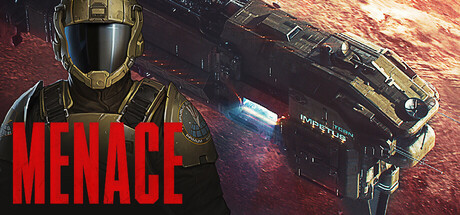
17 MENACE
78 Atlas score91.7% Steam approval7,414 Steam reviewsSuppression and squad-based firing make positioning the core decision instead of a hit-percentage roll, and the modular gear means each Squad Leader earns a slot rather than swapping interchangeable parts. That mechanical pull is why the players who tried it stayed, even with an AI that kites into fog and bursts down a unit, turn limits that push you into a stalling enemy, and no save inside missions that run half an hour. It sits above Path of Exile because the Early Access tag here reads as promise the early backers are willing to fund.
-
 18
18 Unrailed 2: Back on Track
68 Atlas score91.4% Steam approval690 Steam reviewsThe shouting-over-each-other panic of feeding the forge while the engine bears down only fires with three other humans pulling together; solo, the bots fumble the simplest hand-off and the run collapses. That narrow payoff fits a list about games that reward only the players who arrive with the right setup, but the microstutters, freezes and tools vanishing without respawn drop it to the middle: even the right lobby risks a session turning into a coin flip.
-
 19
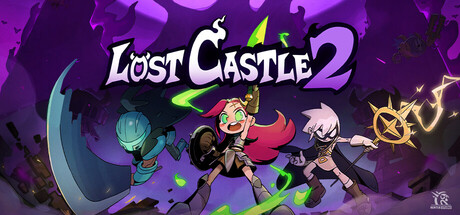
19 Lost Castle 2
73 Atlas score91.3% Steam approval941 Steam reviewsRunes and relics let you pivot weapon strategy mid-run, and the build synergies run deep enough that Nightmare 2-3 plays like a different game than the early floors. That payoff comes with conditions the crowd never tolerates: a final-boss softlock that can deny you the ending, savefile corruption that wipes progress, and online play that region-locks and desyncs. The few who stick to a controller and a couch find the depth; everyone else hits the wall.
-
 20
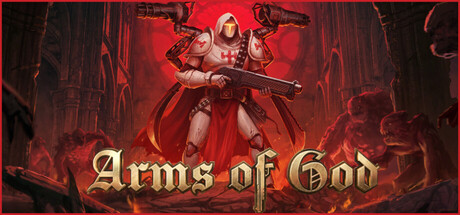
20 Arms of God
74 Atlas score90.8% Steam approval620 Steam reviewsFive weapons merge through a fusion system that hides more build depth than it first shows, and enemies come apart in ragdoll heaps that give the auto-fire real weight. But maps reward circling enemies until the under-a-minute timer expires rather than positioning, and buggy menus and broken controller navigation undercut it; the small crowd that bought this Early Access title at ten euros got the strong core, not the surroundings it still needs.
-
 21
21 Orb of Creation
76 Atlas score90.3% Steam approval1,346 Steam reviewsWhere most idle games reward walking away, this one keeps a resource-allocation choice on screen at all times, paying off players who like diagnosing their own bottleneck and feeding the right progression path. But the few who find it hit a wall fast: the endgame can run dry in roughly sixteen hours, sometimes at an explicit unfinished feature, and the long silence between updates turns that gap into a worry. With no onboarding to ease the opaque first hour, the audience it rewards is narrow enough to sit it here rather than higher.
-
 22
22 LONESTAR
76 Atlas score90.2% Steam approval845 Steam reviewsOne rule, get your value higher than the enemy's, hides component synergies that generate wildly different builds and a moment-to-moment puzzle of squeezing power out of a ship. But this is the kind of win that doesn't hold: several players report no desire to return once the runs, short and rarely thrilling for loot, stop pulling them back. That fading grip is why it sits this low among games that kept their few converts longer.
-
 23
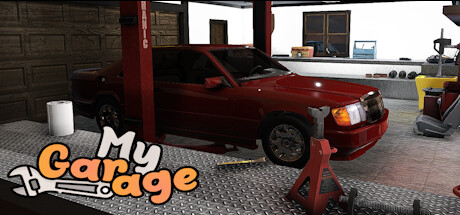
23 My Garage
67 Atlas score90.1% Steam approval1,823 Steam reviewsDiagnosing faults and rebuilding a junkyard shell bolt by bolt sustains players for 300 to 1400 hours, the kind of devotion that shows up only in the hour counts, never the review tally. Crashes that break saves and a UI that hides which bolt does what are exactly the price that filters the crowd out and leaves the tolerant few. That instability, plus the soured reaction to the developer's early-access exit, holds it below Return to Monkey Island here.
-
 24
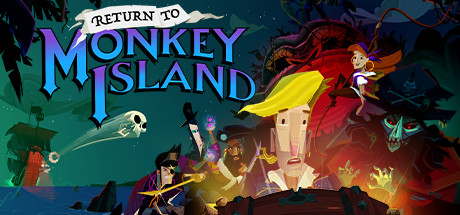
24 Return to Monkey Island
75 Atlas score90% Steam approval4,848 Steam reviewsPuzzles solved by listening to dialogue rather than brute-forcing inventory, plus an optional hint system that rescues without trivialising, narrow the appeal to players who already have history with the originals. The art style reads as a deal-breaker to a chunk of the audience and the meta ending leaves a bittersweet aftertaste, so it wins the fans it set out for without widening past them. That built-in divisiveness keeps it low here, above the niche My Garage but short of broader draws.
-
 25
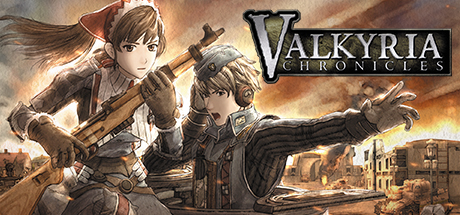
25 Valkyria Chronicles
79 Atlas score89.6% Steam approval7,202 Steam reviewsThe BLiTZ system fuses turn-based planning with real-time movement and aimed shots that make each engagement yours, a hybrid the review says has never been topped fifteen years on, with a watercolor art style that drew no imitators. That singularity is exactly the kind that wins the few who play it, but trial-and-error missions you only clear once you know the trick and a port with wonky controls keep it down at 25, below the cleaner Return to Monkey Island.
-
 26
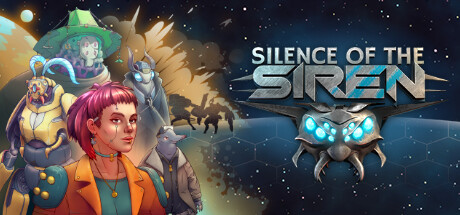
26 Heroes of Science and Fiction
76 Atlas score89.3% Steam approval391 Steam reviewsDrops the HoMM3 combat skeleton into space with campaign writing that goes for actual humour and a soundtrack that sells the setting rather than fading behind it, the kind of specific charm that wins a small skirmish-mode following. But AI turns stretch past 90 seconds on large maps and the campaign runs out at 16 missions, faults that explain both why so few stuck around and why it sits this low against the deeper holds of Valkyria Chronicles below.
-
 27
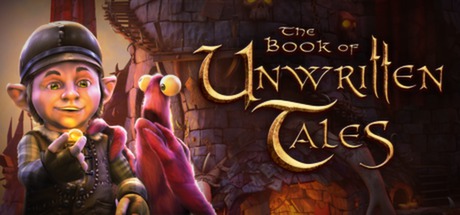
27 The Book of Unwritten Tales
74 Atlas score88.9% Steam approval961 Steam reviewsTwenty hours of fair, lateral-thinking inventory puzzles wrapped in a fantasy parody whose cast players stay attached to years later, but the appeal narrows to anyone who hasn't cooled on combination logic that hasn't moved past Monkey Island. The story doesn't branch and the puzzles don't reshuffle, so there's no reason to return once solved, which keeps its small-crowd payoff confined to a single playthrough and lands it near the bottom.
-
 28
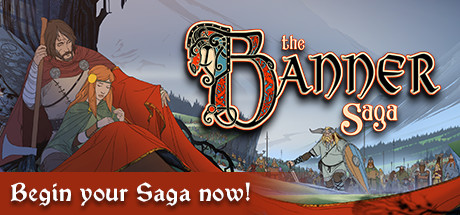
28 The Banner Saga
79 Atlas score88.3% Steam approval7,750 Steam reviewsThe caravan management and willpower system make resource decisions stick, and small choices gut you ten hours later, which is the reward for the few who push through the early flood of names and locations. But its action economy rewards wounding over killing and swings battles on RNG, so the combat keeps tripping the same players the story won over. That self-defeating fight system is why it sits this low: it asks you to forgive the part most likely to make you stop.
-
 29
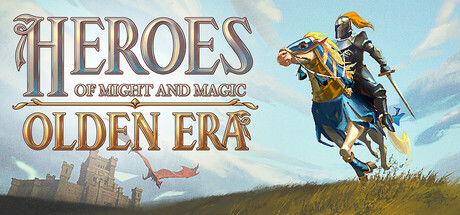
29 Heroes of Might and Magic: Olden Era
72 Atlas score88.1% Steam approval5,253 Steam reviewsThe concentration and law-point systems turn every battle into a fresh resource puzzle across six factions, the part that won over the players who restart and re-solve the early game. But AI turn freezes, random-map crashes, and multiplayer save loads that run 40 minutes mark this as Early Access still doing real work, and the campaign reads as filler with no character development. That unfinished package, plus a smaller crowd that came for tactics rather than story, lands it last.