"Negotiation gets its own deck, and it cuts deeper"
About
Griftlands is a deck-building roguelite set in a sci-fi world where you play as a con artist navigating through interconnected jobs and schemes. You build two separate decks—one for negotiation encounters and one for combat—collecting cards that let you talk, fight, and manipulate your way through situations. Each run involves choosing which jobs to accept, which characters to befriend or betray, and which cards to add to your decks, with your choices determining how the story unfolds.
Verdict
Griftlands splits its roguelite into two card games, one for talking and one for fighting, and wraps both in a living world where the people you spare or rob remember it. The cards themselves rarely reach the heights of its inspirations, so this plays better as a roguelite with a story than as a top-tier deckbuilder. Slow to open up, but it clicks once the unlocks start flowing.
You'll like it if …
- +you want a roguelite carried by its story and lived-in world more than by deck optimisation
- +you like talking your way through encounters as its own card system, not just fighting
- +you enjoy NPC relationships where sparing or robbing someone shapes how they treat you later
You'll dislike it if …
- −you want a top-tier deckbuilder with deep card synergies and endless build variety
- −you expect branching stories to stay open rather than settle onto fixed paths
- −you want a game that opens up fast instead of grinding through early runs to unlock the good stuff
Breakdown
- +Negotiation and combat as two distinct card systems doubles the strategic surface
- +Running two parallel card games creates a genuinely fresh structure within the roguelite format
- −Some complexity reads as fiddly rather than deep, particularly in negotiation encounters
- −Negotiation half can feel shallow once you see through its systems
- +NPC relationships and choices ripple across a run in ways most deckbuilders ignore
- +Three characters with separate decks, mechanics and stories add up to substantial content
- +Random quests and three full characters keep early runs varied
- −First few runs are a grind before the interesting cards and traits unlock
- −Branching stories ultimately railroad, sapping replay value for a roguelite
- −The card pool feels underpowered next to genre leaders
- +The world feels lived-in, where saving someone's skin changes how they treat you later
- +Writing lands more jokes than it misses
- +World-building does real work in establishing a lived-in sci-fi grift setting
- −Heavy story scaffolding means the path eventually feels fixed
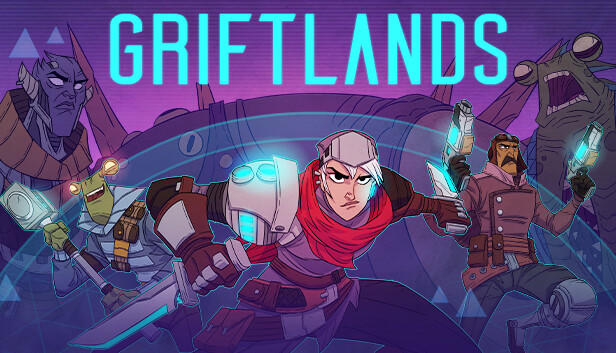
- +Hand-drawn art style is a high point, all sharp character design and distinct sci-fi grift aesthetic
- +Cartoon-noir tone resonates with the world-building
- −Invented gibberish voice language is divisive, a distraction for readers who want quiet
- +Klei's usual craft is evident and the dual systems hold together cleanly
- −Onboarding buries players in dialogue and tutorial prompts before the game opens up
score