"The Bloody Baron alone outwrites most full games"
About
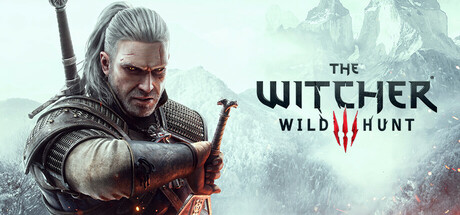
You play Geralt of Rivia, a monster hunter for hire on a continent torn by war, searching for Ciri, a young woman tied to an old prophecy and pursued by a spectral cavalry called the Wild Hunt. It's an open-world action RPG: you ride between Velen's swamps, the city of Novigrad and the islands of Skellige, take monster contracts from village notice boards, and fight with two swords, crossbow and five signs (short magic spells like the Aard blast or the Yrden trap). Choices in conversations and quests carry forward, shaping who lives, who you romance, and which of several endings you reach. Two large expansions, Hearts of Stone and Blood and Wine, add self-contained stories the size of smaller games. The card minigame Gwent sits alongside as an optional obsession.
Verdict
A decade on, the writing still does things most RPGs never attempt. The Bloody Baron questline turns a drunk, violent man into someone you pity and resent at once, and the side contracts routinely outshine other studios' main plots. Combat is the honest weak spot: when the parry-dodge-sign rhythm clicks it carries a fight, but the lock-on fumbles and the patterns thin out over dozens of hours. The UI is genuinely awkward and old bugs linger, while CD Projekt's newer system-requirement and EULA changes have soured part of the audience. None of that touches the core reason to play, which is wanting to know what happens to Ciri, Yennefer and Triss.
You'll like it if …
- +you want a fantasy story with morally tangled choices and no clean good option
- +you'll happily spend an evening clearing notice-board contracts and playing Gwent
- +atmosphere and character writing matter to you more than tight combat
You'll dislike it if …
- −you need responsive, modern action-combat feel above all else
- −clunky menus and inventory management put you off quickly
- −you bounce off long open worlds with hundreds of question marks
Breakdown
- +the parry, dodge and sign loop is genuinely satisfying once the timing lands
- +signs like Aard knockdown and Yrden trap give fights a tactical opening worth setting up
- +approachable difficulty curve that doesn't punish like its Souls comparisons
- −lock-on regularly snaps to the wrong target in a crowd
- −enemy patterns grow repetitive across a 100-hour run
- −horse riding controls feel loose and fight the terrain
- +side quests carry their own arcs and often land harder than the main story
- +choices ripple forward into who survives and which ending you reach
- +Hearts of Stone and Blood and Wine are full expansions, the latter a sun-drenched medieval-Italy region of its own
- +New Game Plus and multiple endings reward a second pass
- −the open world leans on a lot of map markers and filler points of interest
- +Geralt's search for Ciri holds emotional weight across the whole length
- +Yennefer and Triss are written as people with histories, not menu romance options
- +themes of family, loss and sacrifice run through even minor contracts
- +newcomers can follow the story without having played the earlier games
- +art direction and lighting still outshine many newer releases
- +the soundtrack and Skellige's atmosphere carry whole stretches of play
- +next-gen update sharpens the visuals considerably
- −audio balance occasionally lets the music drown a quiet scene
- −some players report crashes on the next-gen update
- +onboarding eases newcomers into the lore without a wall of backstory
- −the inventory and quest UI is cluttered and unintuitive
- −bugs from launch still surface eleven years later
- −newer Windows 11 and DirectX requirements lock out hardware that previously ran it
- −recent EULA changes have angered long-time owners
score