"The Best Stress Simulator Ever Built"
About
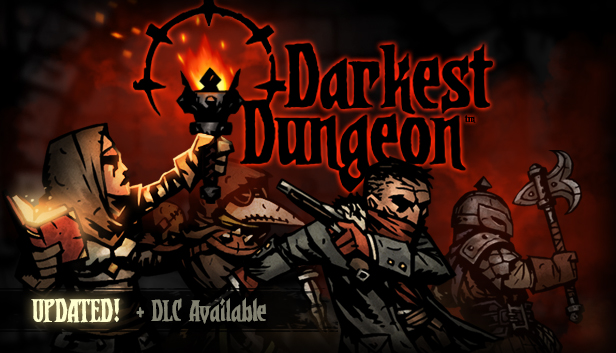
You manage a roster of heroes suffering psychological afflictions while exploring dungeon expeditions in turn-based tactical combat. Each hero has stress and mental health mechanics that cause them to develop quirks, phobias, and potentially abandon you mid-fight if they break completely. Between runs you upgrade your town's facilities, treat your party's ailments and traumas, and prepare fresh teams for deeper descents into the dungeon.
Verdict
Darkest Dungeon turns party management into a war of attrition where the real enemy is your own afflicted roster. The combat is sharp and the dread is genuine, but the endgame trades tension for grind, and whether the RNG feels like cruelty or design is a coin flip you'll never stop tossing.
You'll like it if …
- +you thrive on risk management and weighing probabilities every turn
- +you accept loss as part of the design instead of something to avoid
- +you enjoy mastering hidden mechanical math across hundreds of runs
You'll dislike it if …
- −you want your tactical skill to reliably prevent catastrophic losses
- −grinding low-level dungeons to sustain a gold drain drains your motivation
- −you need a game that teaches its systems rather than punishing ignorance
Breakdown
- +Positional tactical combat where speed, stress, and overlapping status effects create unpredictable situations that demand adaptation
- +Stress and affliction systems introduce a resource you cannot fully control, forcing constant tactical compromise
- −Permadeath combined with enemy critical chains can erase hours of investment with no counterplay
- −Enemy behavior and crit rolls feel arbitrary enough that skill sometimes cannot prevent catastrophic losses
- +Pre-run preparation rewards deep understanding of hidden mechanical math, with mastery feeling earned across many runs
- +Hero roster, team compositions, and robust modding scene sustain engagement across hundreds of hours
- −The game refuses to explain preparation phase systems, creating a learning cliff rather than a curve
- −Late-game devolves into grinding low-level dungeons to sustain the gold drain, transforming the loop into a treadmill once the dread novelty fades
- +Wayne June's narration is so distinctive players quote it from memory and rewrite it into their own lives
- +Opening line 'Ruin has come to our family' earns its place as one of gaming's great narrative moments
- +Hand-drawn, heavy-inked art style is instantly recognizable and carries genuine menace throughout
- +Wayne June's narration paired with the brooding score builds dread more effectively than any mechanical system
- +Audio design is the single most immersive element, with the soundtrack and voice work doing the heaviest lifting on atmosphere
- +Mechanically tight and runs on minimal hardware while maintaining striking visual impact
- −Saving system and Steam cloud implementation can erase progress, drawing real frustration
- −Lack of save-scumming leaves players fully exposed to RNG with no recovery option, allowing hours to vanish to unclear cloud behavior
score