"Spin-the-wheel buildcraft that hides its own rules"
About
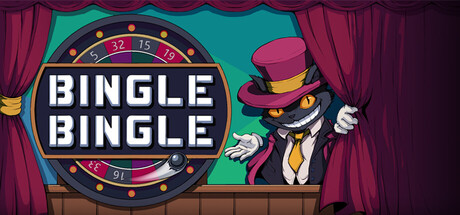
Bingle Bingle is a roguelike deckbuilder that swaps cards for a roulette wheel. Each run you assemble your own wheel from balls, bets, pockets, tokens and badges, then spin to chase chip totals big enough to beat the casino. The synergies come from how those parts feed each other: freeze builds, repeat triggers, colour quests and class-specific tricks like the cowboy. Quests during a run hand out abilities or items, and an endless mode and badge unlocks extend things past the main objective. The obvious reference point is Balatro, but the randomness here sits on a spinning wheel rather than a hand of cards.
Verdict
There's a genuinely clever engine inside Bingle Bingle, and players who push past the opening hours describe building wheels that print chips in ways the developers clearly didn't fully foresee. The problem is getting there. Tooltips go missing, mechanics arrive unexplained, and a tag like "D" can sit on screen with no clue what it does, so the first runs are blind experiments rather than informed gambles. Balance swings have soured veterans too, with nerfs landing where more content was wanted. When it clicks the buildcraft rewards patience, but the path to that moment is needlessly steep and the technical edges, from a 60 FPS cap to stutter and broken shop states, keep tripping the experience up.
You'll like it if …
- +you enjoy reverse-engineering opaque systems through trial and error
- +you want a deckbuilder loop driven by a roulette wheel instead of cards
- +endless optimisation matters more to you than unlock rewards
You'll dislike it if …
- −you need clear tooltips and a proper tutorial before you can plan
- −RNG that feels like punishment rather than a gamble puts you off
- −frame caps, stutter and shop bugs would break the mood for you
Breakdown
- +the ball, bet and pocket loop produces emergent builds that surprise even experienced players
- +freeze, repeat and colour strategies give distinct ways to chase a score
- +runs on modest hardware for many players
- −the randomness can read as stressful punishment rather than a tempting gamble
- −difficulty spikes and broad nerfs frustrate players who wanted more content instead
- −the loop feels clunky and arbitrary until you have decoded it yourself
- +multiple build paths and character classes support repeat runs
- +some long-haul players argue it offers more consistent winning lines than its obvious inspiration
- −unlockables are exhausted quickly and the endgame feels sparse to several reviewers
- −winning or losing changes little once everything is already unlocked
- −a contingent finds the synergies thin and no reliable route to a high score
- +mascots and in-run quests add a thin layer of personality
- −no worldbuilding or story arc, which suits the score-attack format
- +art direction and UI polish draw praise
- +sound design lands well for most players
- −frame rate locked to 60 makes the game feel laggy to some
- −stutter, slideshow drops and blurry upscaling reported
- −music turns repetitive over long sessions
- +recent updates have improved some clarity issues
- −missing tooltips and unexplained mechanics force blind experimentation
- −inconsistent wording makes systems harder to parse than they should be
- −crashes, UI breakage, soft locks and broken shop states reported
- −slow development pace and communication concern part of the audience
score